


Others

66
2-4
30 days
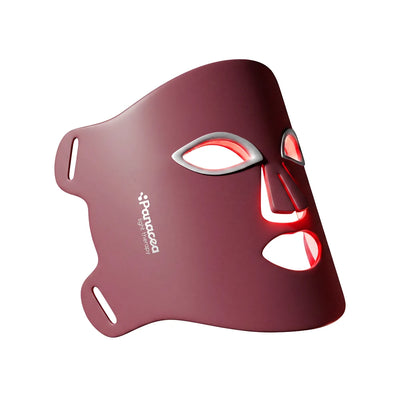
The Prisma LED Face...
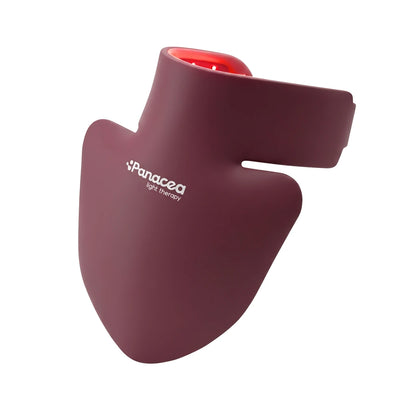
The Prisma LED Neck...
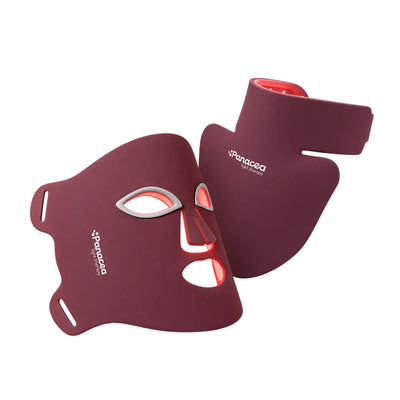
The Prisma LED Face...
Coming soon
Couldn't load pickup availability


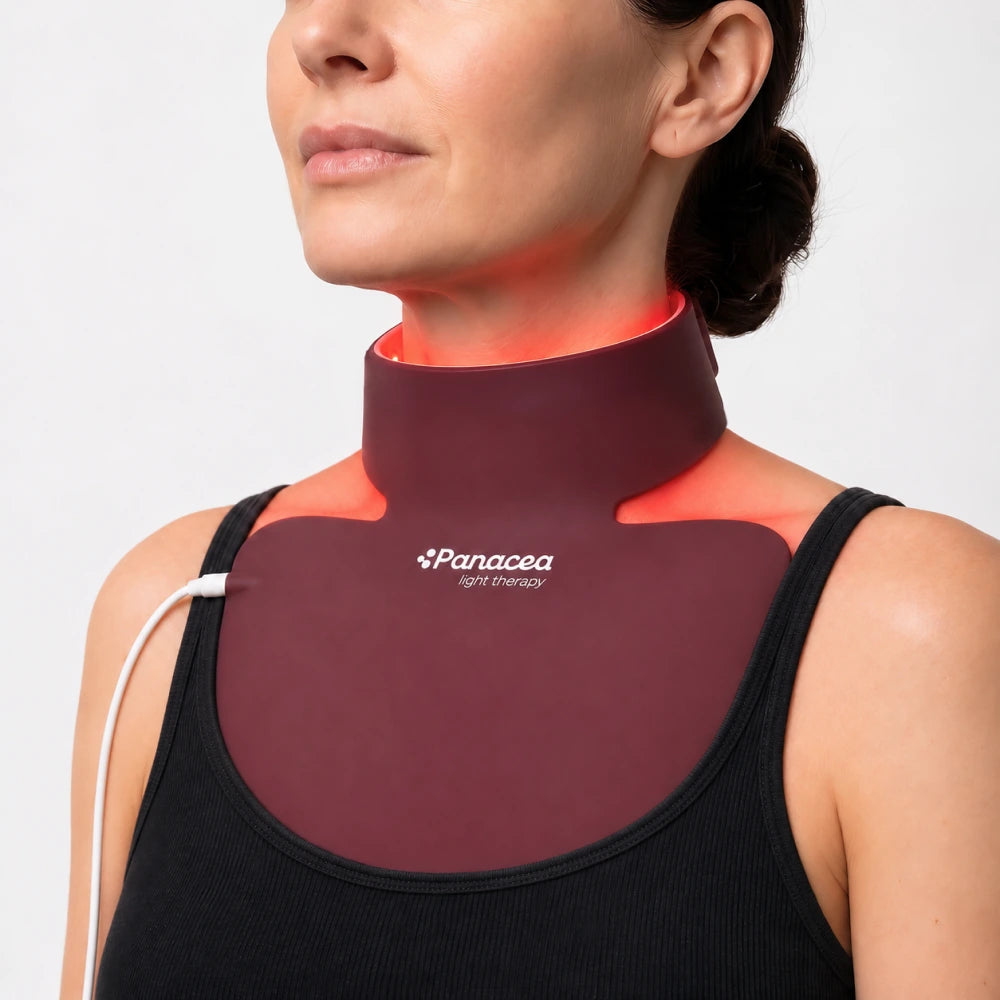


Your routine shouldn't stop
at your jawline
The skin on your neck and décolletage is thinner than on your face and has fewer sebaceous glands. As a result, this area reacts more quickly to light and heat, and shows signs of being overlooked sooner.
That’s why you build up more gradually here than on your face and choose amber more often. We publish our measured wavelengths, irradiance, and dose because every figure in our guide is measured.
Your Light Modes

For horizontal lines on your neck and the looser skin beneath your jawline.

For the redness on your chest and the blotchiness that shows up there first.

From the jawline to the breastbone in a single session, the most comprehensive setting for this area.

For pimples on your chest and neck, below your hairline.

For the pimple and the mark that’s still there months later.

The light that goes beyond the layer you can see.
Red
For horizontal lines on your neck and the looser skin beneath your jawline.
Amber
For the redness on your chest and the blotchiness that shows up there first.
Red + Amber
From the jawline to the breastbone in a single session, the most comprehensive setting for this area.
Blue
For pimples on your chest and neck, below your hairline.
Blue + Red
For the pimple and the mark that’s still there months later.
Near-infrared
The light that goes beyond the layer you can see.

Stars on
Trustpilot

Warranty

Money-back
guarantee

Start short and low.
This skin is thinner
The skin on your neck has fewer oil glands and less subcutaneous fat than your face. It reacts more quickly to light and heat, so start more gently here than you would on your face.
Weeks 1 and 2: intensity 1, 10 minutes, 2-3 times per week. In week 3, increase to intensity 2 and 15 minutes. From week 4 onward, use it for 15-20 minutes, 3-4 times per week.
Does your skin pigment easily or feel sensitive? Stick with each step for two weeks and only add near-infrared from week 4 onward. This area shows results later than your face. Give it 8 weeks before judging.
Which setting should you choose, how often should you use the mask, and what can you expect? Below are short answers to the questions we get most often.

Red light (633 nm) with near-infrared is your regular session. Red light stimulates collagen production for firmer, smoother skin. For the first three weeks, use red or amber light without near-infrared, then add it in.
Each color has its own wavelength and purpose:
Turn near-infrared (850 nm) on or off alongside any color using the NIR button.
Start at intensity 1 for 10 minutes and gradually build up over a few weeks. Three to four times a week is enough. Choose 10, 15, 20, 25, or 30 minutes, and the mask will switch itself off when the time is up.
Light therapy works gradually. Most people use the mask three to four times a week and give it at least eight weeks before assessing its effects. Results vary from person to person.
Near-infrared light at 850 nm is invisible to the eye. You turn it on or off with the NIR button next to a color mode and see it only on the remote’s display.
Yes. Amber (590 nm) is the gentlest light in this mask and targets red spots and sensitivity. Choose amber if your skin feels sensitive or looks red, and start at the lowest intensity.
Before. Use the mask on clean, dry skin without makeup, serum, or cream. After your session, apply your skincare as usual.
You charge the remote control via USB-C. The mask itself does not need to be charged. One full charge is enough for about five sessions.
Yes. It comes with two strap systems, straight and crossed. Choose whichever feels most comfortable on your head, even when lying back.
It’s best to avoid light therapy during pregnancy because there hasn’t been enough research on it yet. If in doubt, consult your midwife or doctor. Read what’s currently known in our article about red light therapy and pregnancy.
Both masks use red, amber, blue, and near-infrared light. The main differences are the shape and the controls.
Choose the Pro if fit is important to you and you want to be able to look around during your session. Choose the Prisma if you want a good treatment at a lower price and care a little less about fit. View the Panacea LED Mask Pro.
The Prisma has a simpler design. It’s a flatter, more flexible mask rather than one shaped in 3D to fit the face, and it uses four wavelengths instead of five. That makes it less expensive to manufacture, and the difference is reflected in the price. You still get a full treatment: the Prisma even has more LEDs.
Research on LED masks shows that smoother skin and less visible fine lines may be possible with regular use. The results you see depend on the device, your skin, and how consistently you use it. Read our guide to how LED masks work and the evidence behind them.
The Prisma uses LEDs. In our article about the LED mask or laser mask, we explain the difference and why we chose LED.
Yes. You have 180 days to try the mask at home as part of your own routine. If you’re not satisfied, you can request a return. Read more in our return policy.
The Prisma LED mask comes with a 2-year warranty from the date of delivery.
If you order the mask while it is in stock, it will be delivered the next day in the Netherlands. Delivery to other European countries may take a little longer. Shipping is free.


