
The Difference Between Traditional Infrared Lamps and Modern LED Red Light Therapy Devices
Introduction
You know the ones—the red lamps your mother or grandmother used to soothe neck pain, back pain, or abdominal pain. It is not a bad idea at all, because these lamps work too. The difference lies in the LED light technology we use today. This allows us to know exactly which wavelengths are beneficial for our bodies.
In the world of light therapy, several technologies are available to help improve health and well-being. Two of the most common types are traditional infrared lamps (full spectrum) and modern LED red light therapy devices. Although both methods use light to provide wellness benefits, there are significant differences in how they work, their effectiveness, and their cost. In this blog, we discuss these differences and explain why there are price differences between these two types of devices.
What Are Traditional Infrared Lamps (Full Spectrum)?
Traditional infrared lamps, often referred to as full-spectrum infrared lamps, generate a broad range of light waves, including visible light and infrared radiation. These lamps are widely used in saunas and as heat lamps for relaxation and comfort. They work by producing heat that penetrates deep into the skin and underlying tissues.
Advantages of Traditional Infrared Lamps:
- Heat therapy: These lamps are effective at providing warmth, which can help relieve muscle pain and stiffness.
- Application: Because of their ability to generate heat, they are often used for applications focused on relieving pain and promoting relaxation.
Disadvantages of Traditional Infrared Lamps:
- No specific wavelengths: Because these lamps emit a broad spectrum of wavelengths, they lack the targeted benefits of the specific wavelengths offered by LED devices.
- High heat production: The significant heat production can be uncomfortable for some users and is not always desirable for every application.
What Are Modern LED Red Light Therapy Devices?
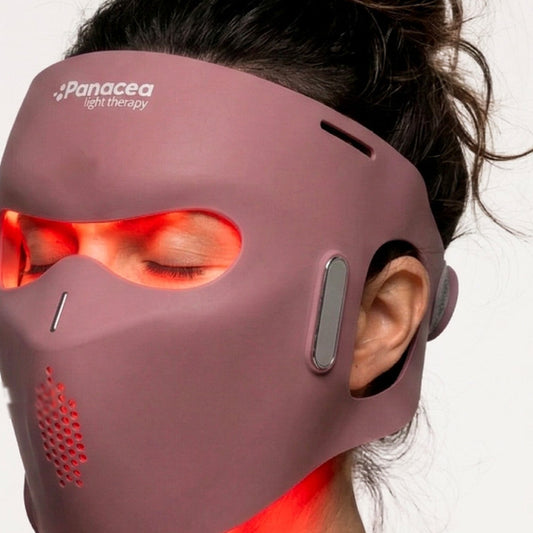
Modern LED red light therapy devices use advanced LED technology to deliver specific wavelengths of red and near-infrared light. These devices are designed to provide targeted benefits without generating significant heat. They use scientifically selected wavelengths, typically around 630 nm, 660 nm, 810 nm, 830 nm, and 850 nm, which can penetrate deep into the skin and stimulate cellular functions.
Benefits of LED Red Light Therapy Devices:
- Specific Wavelengths: These devices emit light at precisely defined wavelengths selected for their effects described in research.
- Low Heat Output: LED devices produce little to no heat, making them more comfortable and safer for prolonged use.
- Wide Range of Benefits: The specific wavelengths help stimulate collagen production, reduce inflammation, improve cell function, and support the skin's natural healing process.
- Deep Tissue Penetration: Wavelengths such as 850 nm can penetrate deep into the body, making them suitable for supporting muscle recovery and joint pain relief.
Disadvantages of LED Red Light Therapy Devices:
- Higher Initial Cost: Because of the advanced technology and precise wavelength specifications, these devices are often more expensive to purchase.
Price Difference Explained
The price difference between traditional infrared lamps and modern LED red light therapy devices is significant, and this is due to several factors:
-
Technology and Design:
- Infrared Lamps: These are generally simpler and less expensive to produce. They use conventional incandescent bulbs that emit a broad spectrum of light.
- LED Therapy Devices: These use advanced LED technology that emits light at specific, precisely calibrated wavelengths. Designing and manufacturing these devices requires advanced technology and precision, which increases the cost.
-
Efficiency and Effectiveness:
- Infrared Lamps: Although they are effective at generating heat, they do not offer the same targeted benefits as LED devices. This means they are less efficient at delivering specific health benefits.
- LED Therapy Devices: These are designed to work in a targeted way by using wavelengths described in research. This targeted approach and efficiency often justify the higher price.
-
Usage Life and Maintenance:
- Infrared Lamps: These often have a shorter lifespan and need to be replaced regularly. They are also less energy-efficient compared with LED devices.
- LED Therapy Devices: LEDs have a longer lifespan and require less maintenance. They are more energy-efficient and durable, which can save costs in the long term.
LED Red Light Technology: Precision and Wavelength Efficiency
The rise of LED red light technology in the world of light therapy marks a significant advancement, particularly due to the precise control over the wavelengths of the emitted light. Unlike traditional infrared lamps, LED devices can emit light within a very specific spectrum, typically ranging from approximately 630 nanometers (nm) to 680 nm for red light, and near-infrared light in the range of 800 nm to 1000 nm. These precise wavelengths are crucial because different wavelengths penetrate to different depths in the skin, thereby triggering different types of cellular responses.
Read more about Red Light Therapy in our blog on the subject
Explanation of Near- and Infrared Light
A wavelength range between 0.75 μm and 1000 μm is called the infrared spectrum, and lies just below red light. This light, often called thermal radiation, is invisible to the human eye. Everything that is warm, including the sun and even people, emits infrared light. IR is everywhere. The infrared spectrum is commonly divided into 3 smaller sections:
- IR-A - Near-infrared (0.75-2.5 μm)
- IR-B - Mid-infrared (2.5-25μm)
- IR-C - Far-infrared (25-300 μm)
Each of these ranges affects matter differently and may have different effects on the human body. Below is an overview of these three IR energy bands.

Near-infrared (NIR)
Near-infrared light (0.75-2.5 μm) is closest to visible light. Research has described how NIR may support natural skin recovery by improving the function of mitochondria, the energy factories of cells.
Mid-infrared (MIR)
Mid-infrared light (2.5-25 μm) provides both warmth and illumination. MIR therapy is being studied for its potential to support mitochondrial health. However, the focus of IR health research is generally on NIR and FIR.
Far-infrared (FIR)
Far-infrared light (25-300 μm) is mainly felt as heat. FIR therapy increases body temperature and supports blood circulation, which supports skin recovery and may contribute to skin health. This is the cheapest type of infrared light found in traditional lamps.
Benefits of LED Red Light Therapy
-
Cardiovascular Health:
Infrared light stimulates nitric oxide, relaxes blood vessels, and supports blood circulation. - Pain and Inflammation: The light penetrates deeply into tissues and may relieve pain and reduce inflammatory responses by supporting recovery and better circulation.
- Muscle Recovery: It promotes mitochondrial activity and supports the recovery of muscles and tissues, including after intense exercise.
- Detoxification: Infrared therapy through saunas increases body temperature, which many users experience as relaxing and invigorating.
- Immune Support: Being studied for supporting the immune system and cell function.
- Skin Improvement: Stimulates collagen and elastin, reduces wrinkles, supports recovery from scars and UV damage, and may contribute to calmer skin.
- Skin Repair: Supports natural skin repair by increasing ATP production, fibroblasts, and blood flow.
- Cognitive Performance: Being studied in relation to brain function, memory, and attention span, including in older adults.
- Low Risk: Generally well tolerated and comfortable, suitable for most people, but not recommended for pregnant women or people with heart conditions without a doctor's advice.
- Accessibility and Affordability: Thanks to modern technology, infrared therapy devices are now expensive but affordable and easy to use at home.
Conclusion
While both traditional infrared lamps and modern LED red light therapy devices have their place in wellness applications, LED technology offers clear advantages in terms of targeted sessions and efficiency. Although the initial cost of LED devices may be higher, they offer a broader range of benefits and a longer lifespan, making them a worthwhile investment for people seeking specific support for their well-being. Results vary from person to person. Understanding these differences can help you make an informed choice when selecting the right light therapy for your needs.
See which red light therapy device is right for you --> Shop now
Red light therapy is a wellness application and not a substitute for medical care. Results vary from person to person; consult your doctor if you have symptoms.