
Why red light therapy is valuable not only in winter, but all year round
Share
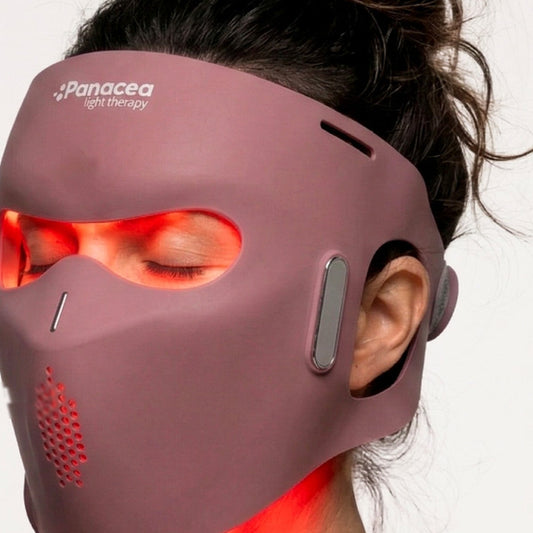
Red light therapy has grown enormously in popularity in recent years, especially during the winter months when people see less daylight. However, red light therapy is not merely a ‘winter aid’. It is a versatile, research-described application that can support the body and mind in many ways throughout the year. In this article, you will discover why red light therapy is just as important in spring, summer, and autumn as it is during the dark winter days.
1. Supporting the circadian rhythm and melatonin production
One of the most frequently mentioned benefits of red light therapy is its support for your biological clock, or your circadian rhythm. In our modern world, we are constantly exposed to artificial blue light from screens and lighting, which disrupts the natural production of melatonin, the sleep hormone.
In addition, during spring and summer, the sun shines for much longer. As a result, it does not get dark until late in the evening, causing your body to receive the signal that it is not yet time to sleep. This makes it more difficult to fall asleep on time, especially if you have to get up early for work, children, or sports.
Red light can provide support in this regard. By exposing yourself to red light therapy for about 90 minutes before bedtime, you give your body a natural signal to produce melatonin and gradually enter a state of rest. This can help you wind down more easily, even on long summer days.
Research describes that exposure to red light approximately 90 minutes before bedtime can help stimulate melatonin production, which may contribute to falling asleep more easily and having a more restful night.
📄 Figueiro et al., 2011 – The impact of red light on melatonin suppression and sleep
🧠 Key benefit: Better sleep also means greater recovery, more stable hormone balance, and mental clarity during the day, even in summer!
2. Support for allergy symptoms and inflammatory responses
Did you know that red light therapy is also being studied for seasonal allergies such as hay fever? Research has described an anti-inflammatory effect of the red light spectrum, and studies mention it as a way to relieve symptoms of allergic rhinitis (runny nose, sneezing, and nasal congestion).
📄 Neuman et al., 2005 – Treatment of allergic rhinitis with red light phototherapy
Red light may also provide support for skin allergies and eczema, as research has linked it to a calmer immune system response.
3. Skin recovery after sun exposure and skin support
Prolonged sun exposure can lead to:
- Accelerated skin aging
- Pigmentation spots
- Inflammation
- DNA damage in skin cells
Red light therapy can support the skin's natural ability to recover after sun exposure. Research describes how red and near-infrared light stimulates the production of collagen and supports the skin barrier.
📄 Barolet & Boucher, 2010 – Light-emitting diode treatment of photodamaged skin
Bonus: Research has linked red light to reduced oxidative stress in skin cells, one of the leading causes of skin aging.
4. Beauty benefits that last all year round
Many people use red light therapy for aesthetic purposes—and rightly so. It is one of the few natural methods that penetrates deep into the skin layers and supports the energy metabolism of skin cells. And the best part is: you don't need to take a seasonal break from it.
📄 NASA study by Whelan et al., 2001 – NASA light-emitting diode medical applications
Benefits at a glance:
- Increased collagen production
- Reduced fine lines and wrinkles
- Smoother skin texture and a more even complexion
- Less acne
- Support for skin recovery from scars
5. Energy and mood: natural support all year round
Red light therapy supports energy production in your mitochondria – the “power plants” of your cells – and helps produce ATP (adenosine triphosphate).
📄 Hamblin, 2016 – Shining light on the head: Photobiomodulation for brain disorders
This review article describes how red light therapy is being studied for low mood, fatigue, and cognitive complaints.
6. Sports, recovery, and muscle building – in summer too
Whether you are at the gym in winter or doing a summer boot camp in the park: red light therapy supports muscle recovery all year round.
📄 Leal-Junior et al., 2015 – Photobiomodulation therapy in exercise performance and recovery
This study described that athletes who used red light therapy reported less muscle soreness and recovered more quickly from their training.
7. Hormonal balance and the menstrual cycle
For women, red light therapy is being studied as support for:
- PMS symptoms
- Menstrual symptoms
- Blood flow in the pelvic area
📄 Furuhashi et al., 2018 – Infrared therapy and its effects on female reproductive health
This study suggests that near-infrared light stimulates blood flow in the pelvic area, which may benefit comfort during the menstrual cycle.
Conclusion: red light therapy is not a seasonal product, but a lifestyle
Research shows a consistent picture: red light therapy can support your skin, hormonal balance, sleep, and energy, all year round.
Whether you are looking for:
- More energy
- Better sleep
- Skin support
- Support for muscle recovery
- Support for allergies or hormonal balance...
Red light therapy is a natural, research-documented form of support, season after season. Results vary from person to person.
Red light therapy is a wellness application and not a replacement for medical care. Results vary from person to person; consult your doctor if you have any complaints.