
Red light therapy for hay fever and pollen allergies: what does the research say?
Share
Spring has begun. The sun is showing itself again, nature is coming to life, and the first green buds and blossoms are appearing everywhere. But for millions of people, unfortunately, this also means something else: sneezing fits, watery eyes, a blocked nose, itching, and a tired feeling that just will not go away.
Hay fever and pollen allergies can seriously spoil spring. And that is frustrating, especially at a time when you want to fully enjoy being outdoors.
Alongside their usual approach, many people look for something extra to make it through spring more comfortably. One natural addition is increasingly described in research and being tried by more and more people: red light therapy. Always consult your doctor if symptoms persist.
What is red light therapy?
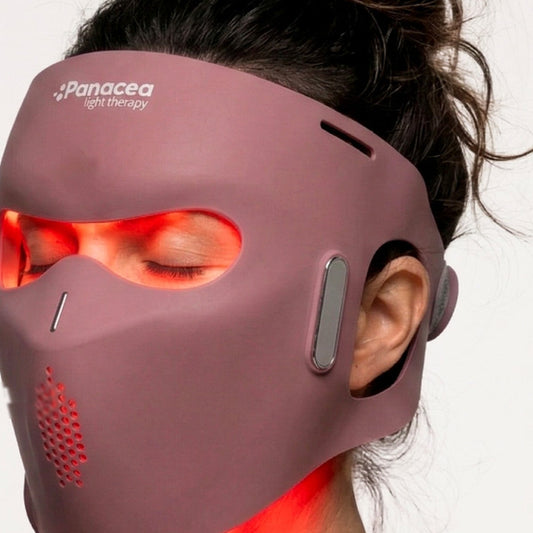
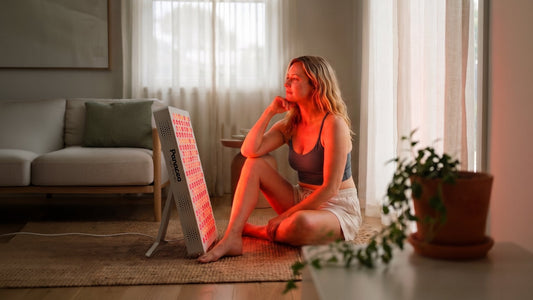
Red light therapy, also known as photobiomodulation, is a wellness application in which light at specific wavelengths is directed at the body. Red and infrared light stimulates cells to produce more energy, temper inflammatory responses, and support the body’s natural ability to recover.
Red light therapy does not focus on suppressing a single symptom, but on supporting the body in regulating its own processes. What is being explored in research includes reduced histamine release, less swelling of the nasal lining, and a calmer immune response.
How can red light therapy help with hay fever?
When your body reacts excessively to pollen, a chain reaction occurs: your immune system sounds the alarm, histamine is released, and you experience all kinds of symptoms. Red light therapy is being investigated as support for these symptoms:
- Can help temper inflammatory responses in the nose, airways, and skin
- Is being studied for histamine release, which may contribute to less sneezing and itching
- Supports the recovery of irritated mucous membranes
- Can help soothe the skin in cases of eczema or allergic reactions
- Can support energy levels, which often decline with allergies
Which wavelengths are used?
At Panacea Light Therapy, we use six specific wavelengths, each with its own application:
- 630 nm: may help soothe allergic skin reactions (itching, redness, eczema)
- 660 nm: is used around the nasal cavity and may help reduce swelling of the nasal lining
- 810 nm: penetrates deeper and is being studied for allergic airway symptoms
- 850 nm: supports circulation and the lymphatic system, which helps the body eliminate waste products
- 940 nm: works deeper in the tissue and is being studied for feelings of breathlessness or pressure in the chest
- 1060 nm: is being studied for cognitive clarity and recovery from allergy-related fatigue
What does the science say?
Research describes light therapy as generally well tolerated and potentially effective for allergy symptoms:
-
Rhinolight therapy (light directed into the nose) has been studied in people with hay fever: participants reported fewer symptoms such as sneezing and a blocked nose.
Source: Sherali, 2018 – WTAMU - A review of airway inflammation described how red light may influence cytokines such as IL-5, which are active in allergic reactions.
Source: Hanusrichterova & Mokry, 2024 – American Journal of Physiology - Other studies describe how red light may help soothe the skin, reduce histamine release, and support the recovery of irritated mucous membranes.
Source: Li et al., 2020 – bioRxiv
Why choose red light therapy?
What makes red light therapy so appealing to people with hay fever or pollen allergies:
- It is a natural addition to your daily routine
- Comfortable and suitable for daily use
- It focuses not only on symptom comfort, but also supports the body from within
- Can be used at home with user-friendly equipment
Many users experience it as a pleasant addition: a little more comfort with a blocked nose, an itchy throat, or burning eyes when you go outside. Simply being able to enjoy spring a little more—that is what red light therapy may help contribute to. Results vary from person to person.
Red light therapy is a wellness application and not a replacement for medical care. Results vary from person to person; consult your doctor if you have symptoms.