
A New Light on Brain Health: What Research Says About Red Light Therapy and the Brain
Share
Red light therapy, once primarily known for its applications for the skin and muscles, is now attracting attention in neuroscience. This application, which uses low levels of red or near-infrared light, is being studied as a way to support brain function and comfort related to symptoms of various neurological conditions.
The Science Behind Red Light Therapy: Red light therapy works at the cellular level. The light stimulates mitochondria, which may lead to increased energy production in brain cells. This increase in energy may support the cells’ natural ability to recover and may contribute to neural health.
What Research Describes for Various Brain Conditions:
- Cognitive Decline and Dementia: Studies describe the potential of red light therapy to support cognitive function in older adults, including people with cognitive decline and early-stage dementia. This application may help support memory, attention, and processing speed.
- Traumatic Brain Injury (TBI): For TBI, red light therapy is being studied as a supportive approach that may help temper inflammatory responses and support cellular recovery. Research focuses primarily on the early phase after the injury.
- Depression and Anxiety Disorders: Early research suggests that red light therapy may help relieve symptoms such as low mood and feelings of anxiety, possibly by supporting energy production in the brain and tempering inflammatory processes.
- Neurodegenerative Conditions: There are indications that red light therapy may have neuroprotective properties. Research is examining its potential to support daily comfort and functioning in people with a neurodegenerative condition.
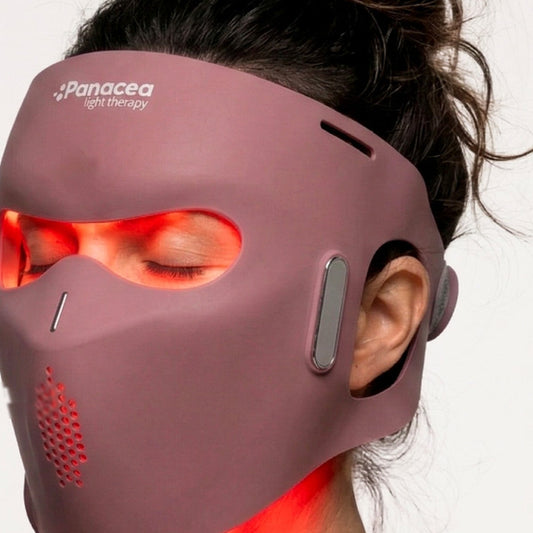
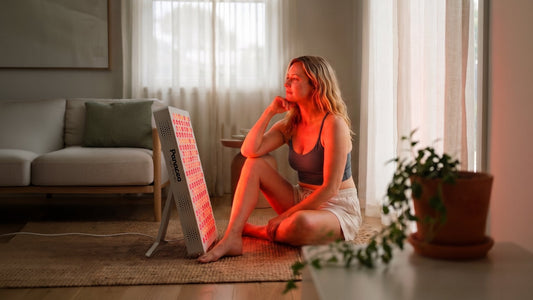
How to Use Red Light Therapy for Brain Health: Red light therapy can be used at home or in a professional setting. It is important to use the right equipment and follow the recommended usage protocols, such as the duration and frequency of sessions.
Conclusion: Red light therapy offers an intriguing and promising approach to supporting brain health and comfort related to symptoms of a range of brain conditions. Although the field is still developing, these early findings open new doors to further applications. Results vary from person to person.
Red light therapy is a wellness application and is not a substitute for medical care. Results vary from person to person; consult your doctor if you have symptoms.